
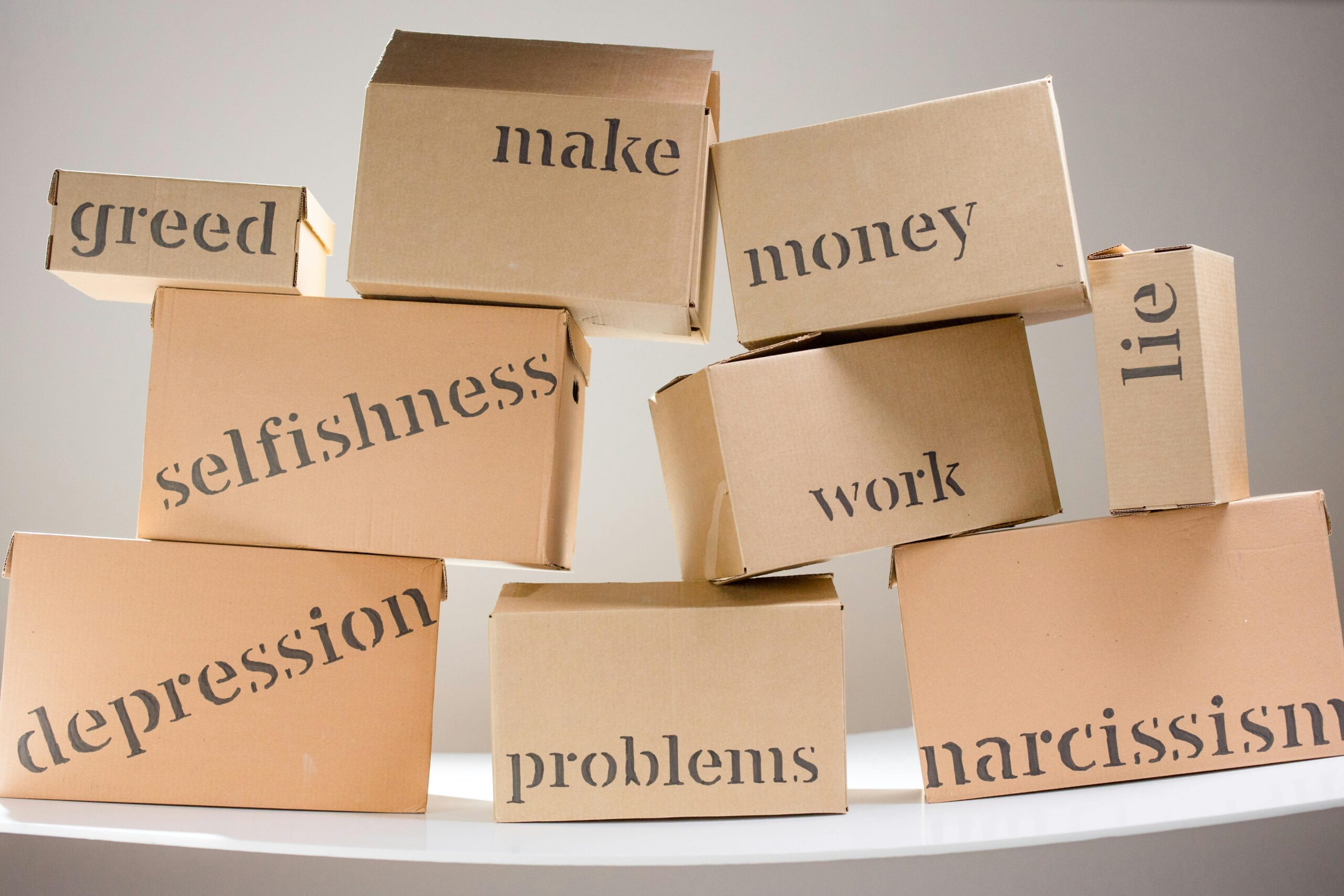
Introduction: Money Is More Emotional Than We Think
When we think about money, we often imagine numbers, budgets, and logic. But in reality, our financial decisions are rarely purely rational. Whether it’s buying that new gadget we don’t need or feeling guilty for spending on ourselves, emotions play a powerful role in how we use money.
The psychology of spending explores how our feelings, moods, and mental habits influence the way we save, spend, and invest. Understanding these psychological factors can help us make more mindful decisions, avoid financial stress, and take better control of our economic lives.
The Emotional Side of Money
Money isn’t just about transactions—it’s about identity, security, freedom, and status. Our financial behavior is often tied to how we feel about ourselves and the world around us.
Here are some key emotions that often shape spending habits:
| Emotion | Effect on Spending Behavior |
|---|---|
| Happiness | Encourages spending on experiences or rewards |
| Stress | Leads to impulse buying for relief or distraction |
| Fear | Promotes saving or hoarding behavior |
| Guilt | Causes avoidance of spending or overcompensation |
| Excitement | Fuels risk-taking and spontaneous purchases |
1. Retail Therapy: Spending to Feel Better
We’ve all heard the term “retail therapy”—shopping to boost our mood. Psychologically, this behavior is linked to dopamine, a neurotransmitter that makes us feel good when anticipating a reward.
When we buy something new, the brain releases dopamine, creating a temporary sense of pleasure. Unfortunately, this feeling is short-lived, often leading to a cycle of emotional spending followed by guilt or regret.
Example:
Someone might feel lonely or stressed after a long work week and decide to buy new clothes online. For a brief moment, they feel excitement and relief—but the happiness fades, and the stress returns, often worse than before.
Solution:
Before making a purchase, take a pause. Ask yourself, “Am I buying this because I need it—or because I want to feel better right now?” Identifying emotional triggers helps break impulsive habits.
2. The Fear of Missing Out (FOMO) and Social Pressure
In the age of social media, comparison has become a powerful financial influence. Platforms like Instagram and TikTok constantly expose us to luxury vacations, gadgets, and lifestyles that create a fear of missing out (FOMO).
This pressure to “keep up” can lead to overspending, debt, and financial anxiety. According to behavioral psychologists, FOMO spending is rooted in social belonging—we buy things not just for utility, but to signal identity or acceptance within a group.
Example:
A person might book an expensive trip or upgrade their phone because “everyone else is doing it,” even if it strains their finances.
Solution:
Shift your focus from status-based consumption to value-based consumption—spend money on what truly aligns with your goals and values, not on trends.
3. The Power of Reward Systems
Our brains are wired to seek rewards, and money plays directly into this psychological mechanism. Each purchase provides a small “hit” of satisfaction, which reinforces the spending behavior.
This is why credit cards can be psychologically dangerous—they delay the “pain of paying.” When you swipe a card instead of using cash, the transaction feels less real, making it easier to overspend.
Graph: The Psychological Cycle of Spending
Solution:
Try using cash for discretionary spending. The physical act of handing over money creates a stronger mental connection to the value of what you’re buying.
4. Emotional Attachment and Identity Spending
Many people associate their self-worth with their possessions. We often spend to project confidence, success, or individuality. Psychologists call this identity spending—using money to express who we are (or who we want to be).
For example:
-
Buying luxury brands to appear successful
-
Spending on hobbies to affirm creativity
-
Donating money to feel generous or moral
While not always negative, identity-driven spending can lead to financial imbalance if we rely too much on material goods for self-esteem.
Solution:
Reflect on your motivations: Are you buying something because it truly adds value, or because it fills an emotional gap? Building confidence through personal growth—not purchases—leads to healthier spending habits.
5. Stress and Financial Avoidance
Ironically, people under financial stress often avoid looking at their finances. This behavior, known as financial avoidance, is driven by anxiety and fear of confrontation.
When we feel overwhelmed by debt or uncertainty, our brains enter “fight, flight, or freeze” mode. Many choose to “freeze” by ignoring bills or avoiding bank statements, which only worsens the problem.
Solution:
Face your finances gradually. Set aside time weekly to review your budget. Small, consistent actions reduce anxiety and build financial confidence over time.
6. The Role of Childhood and Money Beliefs
Our early experiences with money shape lifelong attitudes toward spending. Psychologists call these “money scripts”—unconscious beliefs we inherit from parents or culture.
Some common money scripts include:
-
“Money is the root of all evil.”
-
“I must work hard to deserve money.”
-
“Rich people are greedy.”
-
“More money will solve all my problems.”
These deep-seated beliefs influence whether we become savers, spenders, or avoiders. For example, someone raised in a household where money was scarce may develop anxiety around spending, while someone from a wealthy background may view money as abundant and easily replaceable.
Solution:
Identify your money script. Ask yourself: “What did I learn about money growing up?” Awareness helps you unlearn limiting beliefs and adopt healthier financial attitudes.
7. The Endowment Effect: Why We Overvalue What We Own
Another fascinating psychological concept is the endowment effect, which suggests that people value items they own more than those they don’t.
For instance, someone might refuse to sell a used car for its market price because they’ve formed an emotional attachment to it. This can make it hard to declutter, downsize, or make rational financial decisions.
Solution:
Evaluate purchases objectively. Ask, “Would I still buy this today for the same price?” If not, it may be time to let it go.
8. The Guilt and Pride Cycle
Emotions like guilt and pride also influence spending behavior.
-
Guilt Spending: Some people feel bad about spending on themselves, even for necessities.
-
Pride Spending: Others spend excessively to reward themselves for achievements or hard work.
Both patterns can lead to imbalanced finances if not managed consciously.
Solution:
Adopt a balanced mindset—it’s okay to enjoy your money responsibly. Create a “fun budget” so you can spend guilt-free on experiences that bring genuine joy.
9. How Marketers Exploit Emotional Spending
Companies understand consumer psychology deeply and design marketing strategies to tap into emotional triggers. Techniques like limited-time offers, social proof, and emotional storytelling create urgency and desire.
For instance:
-
Ads showing happy families using a product associate it with love and belonging.
-
Flash sales trigger fear of missing out.
-
Loyalty programs reward dopamine-seeking behavior.
Solution:
Be a conscious consumer. Before buying, pause and ask yourself:
“Do I want this, or am I being persuaded to want it?”
10. Strategies for Emotionally Intelligent Spending
Becoming financially and emotionally balanced doesn’t mean never spending—it means spending intentionally. Here are proven strategies for emotionally intelligent money management:
A. Track Your Emotions Alongside Expenses
Keep a “spending journal” noting how you feel before and after purchases. Patterns will emerge—such as spending more when stressed or bored.
B. Practice Mindful Shopping
Before purchasing, pause for 24 hours. If you still want it the next day, it’s likely a genuine need rather than an impulse.
C. Automate Savings
Remove emotion from saving by automating transfers. This builds financial stability effortlessly.
D. Reward Yourself Wisely
Plan small, meaningful rewards rather than impulsive splurges. For example, treat yourself after hitting a financial goal.
E. Surround Yourself with Positive Influences
Join communities or follow influencers who promote financial mindfulness instead of materialism.
11. The Connection Between Money and Happiness
Research consistently shows that money does buy happiness—to a point. Studies suggest that happiness increases with income up to a certain threshold (around $75,000–$100,000 annually, depending on the region). Beyond that, emotional well-being depends more on how you spend than how much you earn.
Spending on experiences, relationships, and self-improvement brings more lasting satisfaction than buying things. In short:
“It’s not the amount of money that matters—it’s the meaning behind how you use it.”
12. Visualization: Emotional Spending Triggers
Below is a simple diagram showing how emotions influence spending:
Understanding these cycles helps us interrupt negative patterns and make conscious financial choices.
Conclusion: Mastering the Mind Behind the Money
The way we spend money reveals much about who we are and how we feel. Our emotions—joy, fear, guilt, pride, and even boredom—can quietly dictate our financial behavior. By understanding the psychology of spending, we can transform money from a source of stress into a tool for empowerment.
Start by becoming aware of your emotional triggers. Replace impulsive habits with thoughtful ones. Align your spending with your values, not your moods.
When we make peace with our emotions, we gain control not just over our finances—but over our lives.